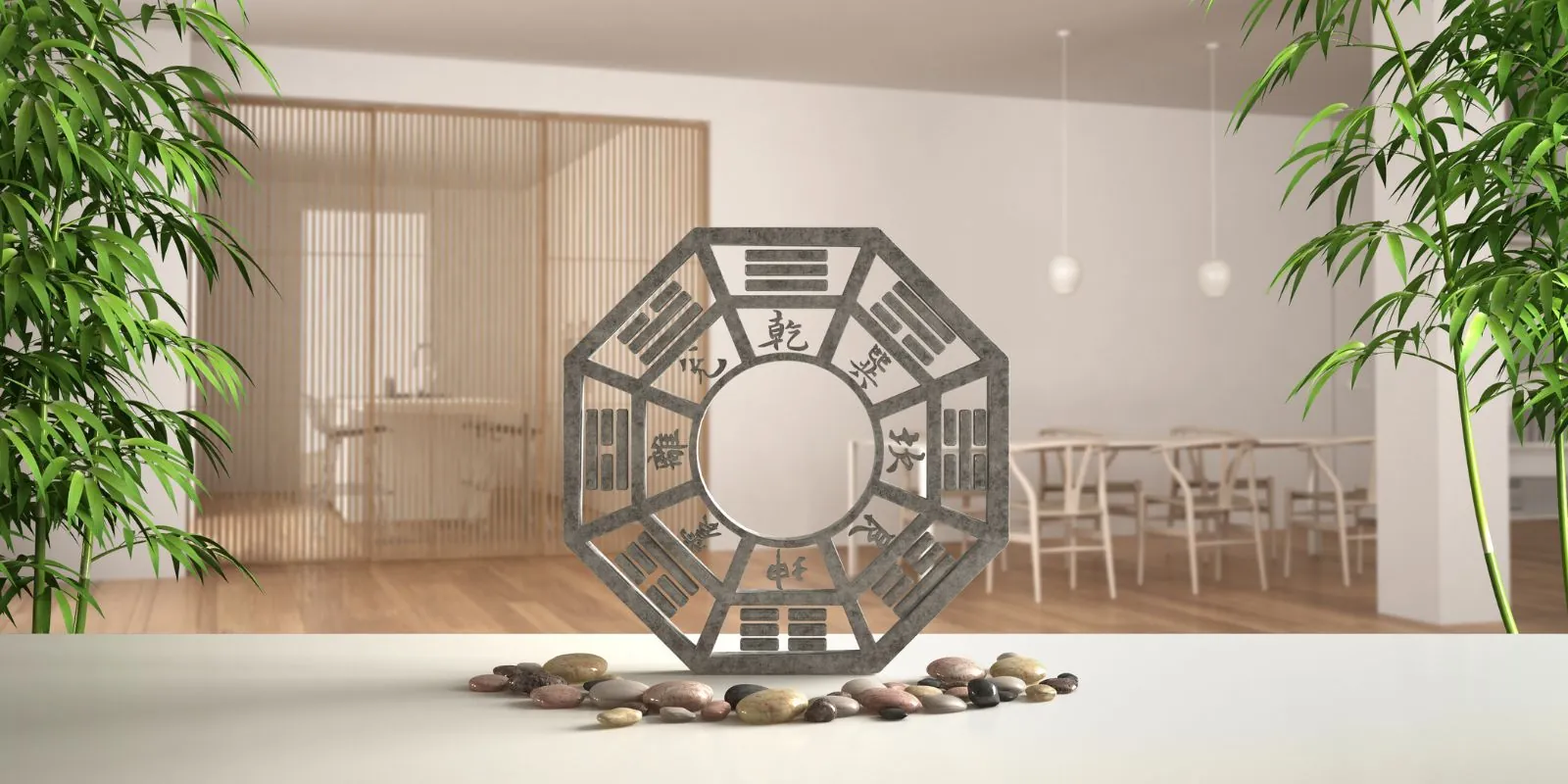
The complete Feng Shui guide to a harmonious home
Where we live has a huge impact on our state of mind. Have you ever noticed it?
I believe the soul craves places of sanctuary and balance, which are authentic reminders of what is truly important in life. Our soul longs for homes in harmony with the cycles of nature; places where kindness, compassion and wisdom are honored...and where these qualities can be developed.
One of the ways we can create soulful places is through the use of Feng Shui. This ancient art shows us how to make our homes harmonious and balanced. The type of Feng Shui that most people are familiar with originated in China. However, every ancient culture has rituals, myths and other traditions based on the fact that our living spaces profoundly affect our well-being. The intent of all of these ancient systems was to create environments in balance with the forces of the universe.
Our desire for places that nourish the soul as well as the body explains the rapid growth of Feng Shui in recent years. In this article I explain the basics of this science and how to create a sanctuary of peace and positivity at home.
What is Feng Shui? Definition and meaning
You've probably heard of the term "feng shui," but you may be wondering what does it actually mean? I bet you didn't know that feng shui is an easy practice that can help you live better!
If you translate the term literally, feng shui means “wind and water.” This practice has been around for thousands of years and is practiced by ancient Chinese and other Far Eastern cultures. It was above all a method of selecting and arranging the most appropriate locations to achieve harmonious living. This practice can help you identify a site where it will be best to locate your home, building or simply configure the layout and floor plan of your room.
Feng Shui originated in China 5,000 years ago. At first, it was used to determine the best place to bury the dead.
One of their fundamental beliefs is that the Earth is a large living entity with its own life and energy. Energy or chi, as it is called in feng shui, depends on an object's location in relation to its physical surroundings. If an area contains positive energy, then it is considered healthy and prosperous, leading to positive effects. A place with bad energy can lead to bad events that can be experienced by those who live in that space.
Feng shui teaches you to live in harmony with your external environment; so that external energy works with you to help you achieve internal harmony and balance.

What are the rules of Feng Shui?
Feng Shui aims to harmonize energy in the environment, thereby creating balance between individuals and their living space.
Feng Shui is based on the understanding of the existence of a unique vibrational energy throughout the universe. This unique vibrational energy is common to all things, organic and inorganic. In the East, it is called chi – the breath of life.
According to feng shui thinking, chi can be divided into two opposing (although complementary and related) energies: yin and yang.
From there, it further separates into five energetic essences: fire, earth, metal, water and wood. All practices related to the study of vibrational energy aim to create and maintain a balance of these elements.
Feng shui is used to identify and correct areas of energy unsuitable for human habitation, and to improve areas considered more suitable. Additionally, it is used to calculate the compatibility between human and place. But the principle is always the same: protect then enhance. Only then can we prosper.
If we had to summarize what Feng Shui is, we could say that it is:
. a form of art (in its creation of balance and harmony)
. a skill (in its identification and implementation)
. a tool
. common sense, evidence
. part of a much broader understanding of vibrational energy.
Note: Feng Shui is not magic – it will not create miracles overnight. it is simply a system that recommends living with the forces that exist in nature.
Apply Feng Shui room by room to attract positive energy
Every room in your home has a different activity and can benefit from the application of Feng Shui principles.
Feng Shui is a practice that can be applied in every room of your home to attract positive energy and create a harmonious environment. By using the principles of Yin and Yang, the five elements and the circulation of Qi, you can optimize the energy in each space. Here's how to apply Feng Shui room by room:
Entrance colour for a Feng Shui home
The entrance to your home is very important because it represents the transition point between the outside world and the inside world. It defines the energy of the entire house (and your life).
In the past, the importance of the threshold was often marked by an altar or sacred symbols. In some traditions, a five-pointed star was carved into the entrance rail to represent harmony, health, and connection with the spiritual realms. Every person who enters the house is thus blessed.
Your main entrance should be welcoming and convey a feeling of vitality. It must be well lit, clean and free of clutter. If there is a path leading to the door, it should wind through beautiful aromatic plants. Place a welcome mat in front of the door. An entryway with these qualities sets a pattern for your entire home and your life.
Here are some general recommendations for choosing the color of the entrance to your house based on Feng Shui:
Colors depending on direction:
In Feng Shui, each direction is associated with a specific element and color. Here are the recommended colors for each direction:
• North: Dark blue or black (Water element)
• Northeast: Earth, sand or beige (Earth element)
• East: Light green or brown (Wood element)
• South-East: Dark green or turquoise (Wood element)
• South: Red or orange (Fire element)
• South-West: Pink, peach or terracotta (Earth element)
• West: White or gray (Metal element)
• North-West: White or gray (Metal element)
Choose a color that matches the energy you want to attract into your home. For example, if you are looking for peace and serenity, shades of blue or green might be appropriate. If you want energy and vitality, opt for shades of red or orange.

Feng Shui for the living room
The gathering places in our homes serve as spaces for relaxation and entertainment. Your feng shui practices should ensure that these areas of your home are now comfortable for residents and welcoming to guests. Here are some things you can focus on to achieve this.
• The location of your furniture will greatly depend on the location of the doors and windows in your home.
• Sofas and chairs should be placed facing the door. Chairs with their backs to the door are considered unlucky.
• If you have multiple entrances, only one door should be designated as the main door. Keep the other closed, as the chi will flow quickly from one to the other.
• Windows are the “eyes” of the house. They represent your view of the world and it is important that windows are in good working order, open outwards and remain unobstructed.
Decoration and colors
When using feng shui to decorate your home, there is one basic principle to keep in mind: however you decorate the home, make sure it allows for the free flow of energy healthy and positive life or chi. The solution could be as simple as improving your lighting or placing a colorful piece of art in the space.
Plants also help improve space and create balance. Use plants with rounded leaves and avoid plants with thorns and pointed leaves.
Essential tips and things to avoid
• Disorder, which creates a difficult obstacle to the circulation of good chi, must be avoided everywhere. Furniture placement should always be kept in mind. Avoid aligning the sofa with the door path. Anyone sitting on it will feel discomfort from the large amount of chi entering through the door and hitting the sofa directly. Remember, too much of anything is always bad, even if it's good luck.
• Furniture should be arranged in a circular pattern. Coupled with a rectangular room, it is the best feng shui orientation for your living room. The exposed beams are prohibitive. These represent the energies of poison arrows, which disrupt not only your health but also the balance of your life. Good feng shui in the living room contributes to a calm and peaceful mind.

Feng Shui for the bedroom
A good feng shui bedroom should be inviting, exciting and calming.
The bed represents love and health. It is important to keep perfect feng shui because it greatly affects these areas of your life. Never place the bed under an overhead beam or directly align it with the bathroom toilet above.
You can also apply feng shui to your closets. Organize clothes and accessories by color and hang them from left to right in your closet: blues and blacks, greens, reds and oranges, yellows and beiges, pinks, whites and precious metal colors.
Lighting in your bedroom
Natural light may not be the best source of light in your bedroom. This can disrupt peaceful sleep and become annoying. It's best if your bedroom lighting can be controlled, like a dimmer switch, so you can apply lighting to suit your mood. Natural light can be used, but with caution and sparingly. It is an excellent source of yang energy. Let him in, but also keep a curtain just in case. Never forget that the light in the bedroom, like in any other space, greatly affects your habits.
Decoration and colors
In the bedroom, make sure that the colors you use have an intimate and calming effect. Use pastels like yellow, pink and lavender. Also use fleshy colors like peach and beige. The colors in your room create either a warm or cool ambiance, or an exciting or relaxing ambiance. Clean your room as you would any other place.
Feng Shui for the kitchen
The kitchen is the heart of the home. Distractions like television, phones and other gadgets should be avoided.
The location of furniture and appliances should be carefully considered. This contributes to the constant flow of chi and reduces clutter while increasing functionality. A lively and bright decoration is also recommended to release good energy.
Keep the kitchen tidy. You should now know that this is a vital principle of feng shui. A good diet is also considered good feng shui. Discard defective devices. Make sure all your food is fresh and healthy.
Fire and earth colors are best suited for the kitchen. Pastels are perfect for small spaces; larger ones are better if used with fire and earth tones.
Essential tips and things to avoid:
• Use the full potential of your gas stove or hob. The more you cook, the more opportunities for health, wealth and romance you will have.
• Keep sharp utensils and tools hidden as they create conflict and anxiety.
• Always try to keep food fresh outside for people to enjoy; it does wonders for your emotional and physical health.
• Keep your kitchen clean and clutter-free, clutter can add up to excess weight. Store bulky items downstairs, never above your head, as they give off a feeling of intoxication and negative energy.

Feng Shui for the bathroom
The bathroom represents the owners’ self-image. Add crystals or statues to enhance your energies and boost your confidence.
Clean the bathroom often. A clean bathroom is a reflection of clean and healthy habits. Add aromatics or essential oils to your bathroom. This will help calm your mind and trigger various emotions. Treat yourself to fluffy towels and bathroom accessories. This allows you to treat yourself in a kinder and more caring way.
Throw away old, expired medications from your medicine cabinet. Don't clutter the work surface or top of the sink with too many cosmetic and hygiene products. Add fresh plants and flowers. Fix leaky faucets and showers. Place inspiring and calming reading material there.
Don't be afraid to use mirrors in your bathroom. Most bathrooms are small and mirrors will give them the illusion of more space. Add scents, incense, candles, and calming music to your bathroom to refresh your Chi.
Always close the toilet lid and keep the bathroom door closed. Put up lots of mirrors and place fresh flowers and plants to counteract bad toilet chi. Also make sure your bathroom is well lit.
Feng Shui for the office
Here we will mainly focus on the home office. With remote working, home offices have become a big trend these days. Here are some tips to make your home office feng-shui perfect: place your home office as far away from the bedroom as possible, use feng-shui colors and positive images like a Buddha canvas or a sacred geometry canvas that induce well-being and creativity in you, keep it well. lit and with good air quality, place your desk facing the door, declutter it and keep it organized.
South is the best choice for the orientation of your home office. The best shape is a room with rectangular proportions and don't have your back to the door.
Separate your home workspace from your bedroom and be sure to maintain a separate entrance for clients and your family.
Declutter and organize. Use soft colors, comfortable and functional furniture and place fresh and healthy plants and flowers there, but don't forget to take care of them properly.

Additional Feng Shui tips
In addition to applying the basic principles of Feng Shui in each room, here are a few additional tips, which are also common sense principles, to amplify harmony in your home:
Plants in Feng Shui
Most of us have plants in our homes, and this is one of the easiest ways to add the wood element to your environment. However, some plants can be more negative than positive.
Some Dos and Don’ts:
• Use flowers that are in season to create vibrant energy.
• Potted plants that come from jungles or rainforests should be used only if you belong to a water element.
• Choose plants that don’t take over the home; their invasion
can create an imbalance of yin and yang.
• Put a money plant in the southeast and prosper!
• Ivy or anything that trails can turn your well-meaning seduction act or takeover bid into a depressing dream.
• Speckled plants can create arguments between partners.
• Upright plants need lots of space or they can fill the home with arrogance and meanness.
• Dried flowers dry you out, both financially and emotionally.
• Spiky plants invite conflict, but rounded leaves generate positive energy.


Natural light in Feng Shui
Natural light plays a crucial role in Feng Shui because it carries positive energy and vitality and helps create a calming atmosphere in your home. It can influence the atmosphere and energy balance of a space.
Natural light corresponds to yang energy and is ideal for certain areas of the home, such as the kitchen and work spaces, where you need to feel motivated and energized. Soft, dim lights are best in the bedroom, where yin energy is prevalent. The soft glow of candles can spark romance and eroticism and generate good relationships.
If you want to enhance yang energy but hate bright lights, you can always use sparkling items such as crystals, pearls, gemstones, and shiny metals. Hanging a crystal pendant light in your window does wonders for this type of energy, and the facets of cut glass are wonderful ways to diffuse light across the room into any room.
Some tips for optimizing natural light:
• Promote the entry of light: clean windows, light curtains and stores to control the intensity of light, but without the blocker.
• Mirrors placed.
• Choice of light and bright colors on walls and ceilings. Neutral tones, pastels and whites are often used to maximize brightness.
• Avoid excess.
• Balance with artificial lighting.
• Light in key areas where you spend the most time.
Feng Shui energy detox - Purifying your home
The two main principles of Feng Shui are decluttering and cleaning.
Declutter: get rid of things you don't need
Decluttering not only organizes your physical environment, but also clears space so energy can flow freely. Get rid of unnecessary items in your home or office. Sort out the things you can never part with and reorganize them so they are displayed in an orderly manner and prevent clutter before it starts.
Clean for more freedom and happiness
Your environment reflects your lifestyle, and a clean and orderly environment will result in a clean and orderly life. Don't view cleaning as a huge, unappealing task. Gain clarity by removing unnecessary and unwanted items from your home. It’s a bit like letting go of bad energies that only harm you. This also allows good energy to enter and flow without being blocked or obstructed.
Space Clearing Techniques
• Clean an entire house or room by lighting small scented candles in each room. Candles burn negative energies and reconnect vibrations and an atmosphere that suits you.
• You can also use incense.
• Clapping: Walk around the room or house and clap your hands quickly and rhythmically. Don’t forget to clap in dark corners and at ceiling height too. The sound of your hands will become a mantra for the energy, and you will soon begin to feel the energy changing and becoming clearer.
• Ringing a Tibetan bell or bowl: Hold a thought of kindness and clarity in your mind. Start ringing a bell as you go around the room. The sound waves will carry your thoughts to all parts of the room.
• Create a sacred space: Allocate a specific corner for meditation, reflection or contemplation. This can serve as a refuge to refocus and maintain positive energy.

How do I know if my home is Feng Shui?
It's not always easy to determine if your home complies with the principles of Feng Shui!
That being said, here are some avenues to explore:
• Check if the circulation of Qi is smooth throughout your home. Make sure there are no major obstacles, excessive clutter, or cluttered spaces blocking the flow of energy.
• The direction of the entrance to your house is important in Feng Shui. Use a compass to determine direction and match it to the elements and colors recommended for that specific direction.
• Observe the five elements – wood, fire, earth, metal and water – in each room. Make sure they are balanced and well represented. For example, you can add wooden elements to a room where wood is under-represented.
• Look at each piece to see if it strikes a balance between the Yin (calm, passive) and Yang (active, dynamic) elements. For example, a room with too many bright colors and stimulating elements might need to add more calming elements.
• The intuitive aspect also plays a role in Feng Shui. If you experience areas of your home as particularly balanced, calming, or energetic, this may indicate that your space is already aligned with good energies.
• And finally, if you would like a more detailed and accurate assessment of your home's alignment with Feng Shui principles, consider hiring a professional Feng Shui consultant. He will be able to perform a complete analysis of your space and provide you with specific recommendations to improve it.
Remember that Feng Shui is a complex and nuanced practice. Even if your home doesn't fit all the principles perfectly, you can still make adjustments gradually to improve the harmony and energy balance of your space.
Colors in Feng Shui
Many people don't realize that the power of feng shui goes beyond the physical rearranging of objects and furniture.
Color is an often overlooked aspect of feng shui, and many forget that color is such a powerful element in attracting and enhancing the energy of the environment. Color affects mood, emotions, physical and mental states and is one of the most inexpensive ways to modify one's environment to adapt it to the rules and principles of feng shui.
Feng Shui has two types of colors to consider: yin colors and yang colors.
Yin colors affect energy, promote healing and relaxation. These colors apply best to the bedroom, spaces that need peace and calm.
• Blue is one of the primary colors of Yin. It is the color of the sky and the ocean, both of which give a sense of serenity and calm. Blue is also commonly used in feng shui as an aid in healing and recovery. Blue is also effective in enhancing wisdom and knowledge.
• Black is another yin color. Although black is not considered a calming color, it is very effective in improving overall feng shui energy. It can be enhanced even more when paired with a metallic shade. Black is also used for healing. Personally I'm not a fan of black in interior design.
• White is yet another yin color. It represents confidence and purity. Purple is another yin color, closely associated with consciousness and spirituality.
Yang colors give energy and dynamism, as opposed to calmer yin colors. They are meant to balance the yin and increase the overall energy in a space.
• Red is a yang color that is probably the most widely used in feng shui. Red is an active color, increasing energy, invigorating the body and causing excitement. However, too much red can be overwhelming, so take extra care and use it sparingly.
• Yellow is another strong, bright and vibrant yang color. Yellow works well to enhance relationship and friendship building energies. However, like red, too much yellow can be overwhelming and cause anxiety when applied in large doses.
• Orange is a yang color that exudes structure, organization, inspiration and ideas.
• Other yang colors include gold, mauve and brown, as well as shades of red and yellow. These are said to help in love and financial matters.
Balance must always be applied in any application of feng shui. A space that requires a lot of energy doesn't need to be filled to the brim with red colors. Too much energy is exhausting and will only leave you feeling tired and exhausted. This is where combinations come in handy to balance strong and quiet, good and bad energies in a space.
Subtle, muted colors like beige, nude, and linen work well to neutralize yang colors and energies. They are often applied to offices and bedrooms, spaces where too much energy can be offset.
Feng Shui Deco: which decoration is right for you?
A Feng Shui saying says that everything you see around you shows up in your behavior. This sums up the importance of the symbols you surround yourself with. Symbols can trigger deep reactions in human beings.
Start by observing your surroundings at home
. Decorations: Do you really love them or are they just there because they were wedding/anniversary gifts and you don't have the courage to put them away? Do they represent positive and uplifting scenes or are they unhappy, violent or lonely?
. Memories: Can you honestly say they improve your life or have they just become a habit?
. Furniture: is it useful, stable, attractive and comfortable or impractical, fragile, ugly and bulky?
. Color: does it soothe, calm or uplift you or does it destabilize, provoke or depress you?
Are your responses mostly negative? If so, perhaps you should take this opportunity to make a fresh start in terms of what you allow to have influence over you.
By using the symbols of sacred geometry in your decoration you create visual and energetic harmony in your space. Depending on the symbol you choose, you will create a soothing or dynamic atmosphere in your living space. You should know that the larger the symbols are printed, the more powerfully they radiate their energy, their vibration.
Depending on the room, choose smaller objects like tealight holders.
If you have trouble deciding, we offer you 4 essentials.
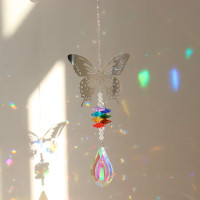
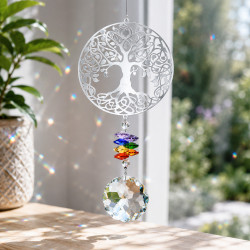
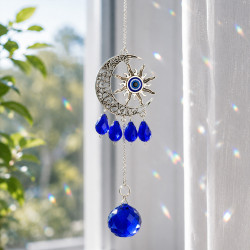
1) Crystal suncatchers
Suncatchers add a touch of movement and harmony. We have carefully selected our collection of suncatchers. Place it where it can capture natural light and wind. A window, balcony or garden are ideal locations for it to create reflections of light.
When hanging your suncatcher, do so with positive intention. Visualize it as an object that attracts and amplifies positive energies in your home.
2) Vibrational canvas
Choose the symbol that simply resonates with you! By following your feelings and your intuition.
Choose your color also depending on the space where you want to place your canvas. For example, in a bedroom, choose bluish or pastel shades. Definitely avoid red, too intense!
Please note that we offer different formats. Choose the size based on available space and where you plan to hang it. A canvas should not be too large so as not to overwhelm the room nor too small so as not to go unnoticed.
When you hang your canvas, do so mindfully and with clear intention. Visualize how it can help balance the energy of your space and create a positive atmosphere.
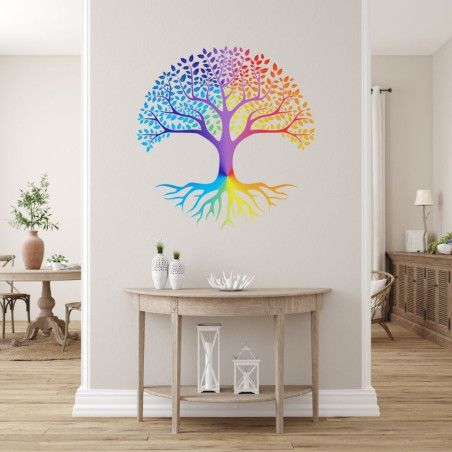
3) Wall stickers for Feng Shui
At Mandalashop, we are proud to present our exclusive collection of Feng Shui wall stickers, carefully designed and printed by us. These stickers feature carefully selected sacred geometry symbols to promote balance, serenity and prosperity in your living space.
These are powerful tools for harmonizing the energy of your interior. Whether you want to strengthen your career, improve your relationships or simply create an atmosphere of calm and tranquility, our stickers are here to support you.
4) Glass candle holders
These frosted glass tealight holders that we carefully print will delight your eyes! Choose the sacred geometry symbol(s) that inspire you. Select colors that harmonize with the elements of Feng Shui and create a balanced atmosphere. Opt for calming, soft colors that promote calm and tranquility.
Place them in strategic locations in your home where they can be easily observed: shelf, bedside table, meditation corner, etc.
When you light the tea light and place it in the tea light holder, it creates a soft, calming glow, an ambiance conducive to relaxation and serenity.
When placing tealight holders, do so with a clear intention. Visualize how light and symbols help balance the energy of your space.
In conclusion: the benefits of Feng Shui
If we had to summarize I would say that Feng Shui is above all a philosophy which aims to create harmonious, balanced and energetically positive spaces where we feel good and which allow us to flourish.
Living life to the fullest is one of the greatest benefits feng shui can provide. This can take many forms, such as improving wealth and abundance, health, good relationships, and happiness. We are constantly surrounded by energy and the physical environment, two factors that affect our lives. Thousands of years ago, this cause and effect relationship was discovered and can apply to anyone, regardless of culture. This set of observations will ultimately be known to us as feng shui.
Today, in modern times, feng shui is very present in environmental design, allowing us to use environmental energy to improve our lives. Basically, the studies of feng shui: the balance of the five elements and the yin and yang forces in your life. A deeper understanding involves knowledge of personal cosmic energy, cosmic cycles, the effects of the physical environment, and how all of these things influence each other.
If you use feng shui correctly, you can welcome a variety of positive changes into your life.
We've come to the end of this article. I hope you enjoyed it.
Please feel free to comment, share and subscribe to our newsletter to be informed of future releases.
Sources:
Moving House with Feng Shui by Jane Purr
Feng Shui Secrets That Will Change Your life
HOME SANCTUARIES Creating Sacred Spaces, Altars, and Shrines with Feng Shui by Shawne Mitchell
Christmas Tree Star: The True Meaning
Meaning of the Infinity Symbol: A Journey Toward Eternity
Symbolism of the circle: the mystery of a perfect shape
Healthy mind in a healthy body: regaining balance
Flower of Life Mandala: a daily Art of living